

For many golfers, winter feels like a pause. Courses close, rounds disappear, and momentum fades. But the off season is not a break from golf. It is the biggest opportunity you have to improve. The players who show up in spring stronger, faster, and more consistent did not wait for tee times to return. They trained with intention.
The off season is where real gains are made.
Why the Off Season Matters
During the playing season, most golfers are in maintenance mode. You are balancing rounds, range time, and recovery. The off season changes that. With fewer rounds to worry about, you can finally focus on building a better foundation.
This is the time to develop real strength, improve mobility, increase swing speed, and fix physical limitations that lead to inconsistency or injury. Think of the off season as pouring concrete. Everything you do during the season sits on top of it.
Strength Training for Golf Performance
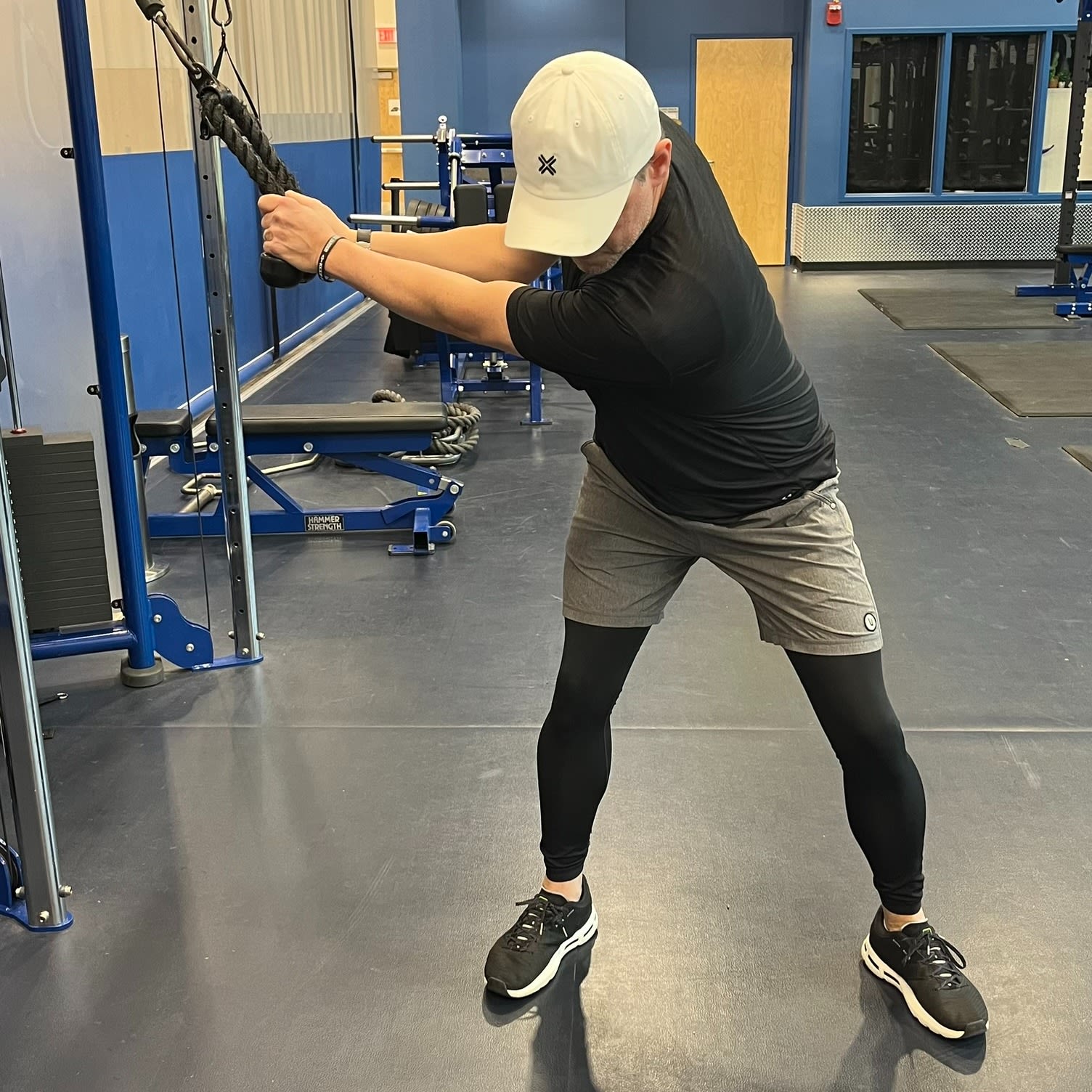

Golf strength training is not about looking like a bodybuilder. It is about producing force and controlling it efficiently.
Lower body strength drives power from the ground. A strong core allows that power to transfer through the swing. Upper body strength improves control, endurance, and overall athleticism.
Compound lifts, unilateral movements, and rotational exercises should be the backbone of your training. A stronger golfer is not bulky. A stronger golfer is more stable, more repeatable, and more durable over a long season.
Speed and Power Development
Distance is not just technique. It is speed.
The off season is the safest and most effective time to work on increasing swing speed. With a proper strength base, power training can add distance without sacrificing control.
Medicine ball throws, jumps, and speed focused swing work teach your body to apply force quickly. When done correctly, these gains carry directly into faster clubhead speed and longer drives once you return to the course.
Mobility and Flexibility

Many swing faults are not swing problems at all. They are mobility problems.
Tight hips limit rotation. A stiff upper back shortens the backswing. Poor ankle mobility affects balance and sequencing. Improving mobility allows your body to move the way the swing requires.
Daily work on the hips, thoracic spine, shoulders, and ankles can unlock speed and consistency without changing your swing mechanics. Yoga, dynamic stretching, and controlled mobility work are some of the most valuable tools a golfer can use in the off season.
Cardio and Conditioning
Golf may not look like a cardio sport, but it demands endurance. Walking 18 holes, staying focused for hours, and swinging powerfully late in a round all require conditioning.
Off season cardio improves recovery, supports fat loss, and keeps energy levels high throughout long rounds. A mix of steady state cardio and short high intensity sessions builds an athletic engine without interfering with strength gains.
Smarter Golf Practice
Winter practice should be focused and intentional.
Instead of hitting ball after ball, use shorter sessions to work on mechanics, tempo, and routine. Simulators and nets are excellent tools for repetition and feedback. The goal is to build reliable patterns that will hold up when pressure returns in season.
Bringing It All Together
A strong off season plan includes consistent strength training, regular power work, daily mobility, focused golf practice, and enough conditioning to support performance. You do not need to train like a tour pro, but you do need structure and consistency.
Over twelve to sixteen weeks, small improvements compound into meaningful gains.
Final Thoughts
The best rounds of next season are being earned right now. They are built in the gym, on the mat, and during focused practice sessions while others are waiting for spring.
Train with purpose this off season. When the courses reopen, you will not be shaking off rust. You will be ready to play your best golf yet.